
Tags
Over recent centuries we have come to recognise our rationality. This is partly because of the very obvious success of rational thinking that underpins the spectacular advances in science and technology. This has, perhaps, seduced us into thinking that we are just rational, or that our aim should be to be as rational as possible.
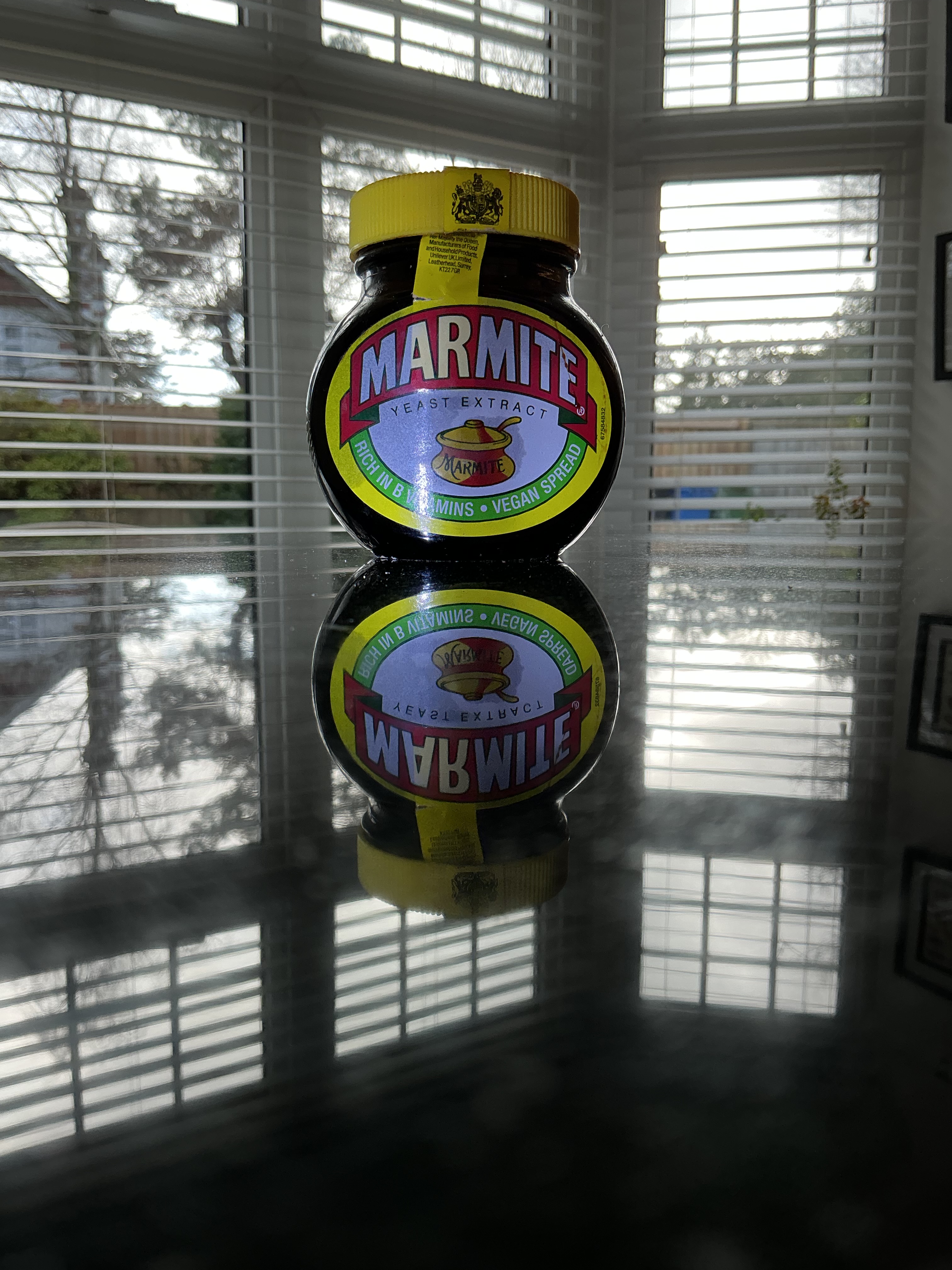
What this blinds us to is the simple fact that much of our thinking is value-based, personal, subjective and arbitrary; it is concerned with our tastes, values, attachments and our intentions. Some of us like Marmite, some of us hate it. A lot of this value-based thinking we do unconsciously; we make our choices because of how we are influenced by family and friends; because of how we make sense of particular experiences and the things that happen to us; because of the groups we want to belong to. We often repeat our choices out of habit without asking questions of ourselves.
What few facts there are, are at least theoretically value-free. The universe does not mind. While we are forced to adapt to its structures and limits, it does not determine the value-based choices we make.
Within very broad ranges we are free to judge and evaluate things in our own way. We like and dislike, want and fear, we make some things matter and others not; we make predictions big and small; we form attachments to people, places, activities and things. We do so with almost infinite variety and in the finest detail.
Without these choices we would live in a colourless, factual world; nothing would matter. By making our choices we we colour our world. We animate ourselves. It is our choices that always lie behind our emotions, good and bad. If we want to understand and manage our emotions, we need to recognise this. When we take a view of a situation it is like painting a picture; we choose the colours and the form. Acceptance, appreciation and celebration are all art forms, negativity just a messy picture; carpe diem, a principle so easily forgotten in the daily hurly-burly.
In the way we tend to think about ourselves, we have not recognised the importance of our value-based thinking. We have been drawn to explanations that suggest our emotions are the result of the things that happen to us and the conditions and circumstances of our lives. This is the way we are encouraged to think by most cultural influences. It makes it harder for us to be mindful of the value-based choices we make. It makes it harder for us to understand that these choices will always be the source of all our emotions, from a barely discernible flicker to a raging storm.
An emotion lasts only as long as we continue the type of value-based thinking that lies behind it. When we think we change our world; our value-based thinking is a form of action with consequences.
This article is based on an idea in my book Thinking Matters available on Amazon.
 InToMinds